


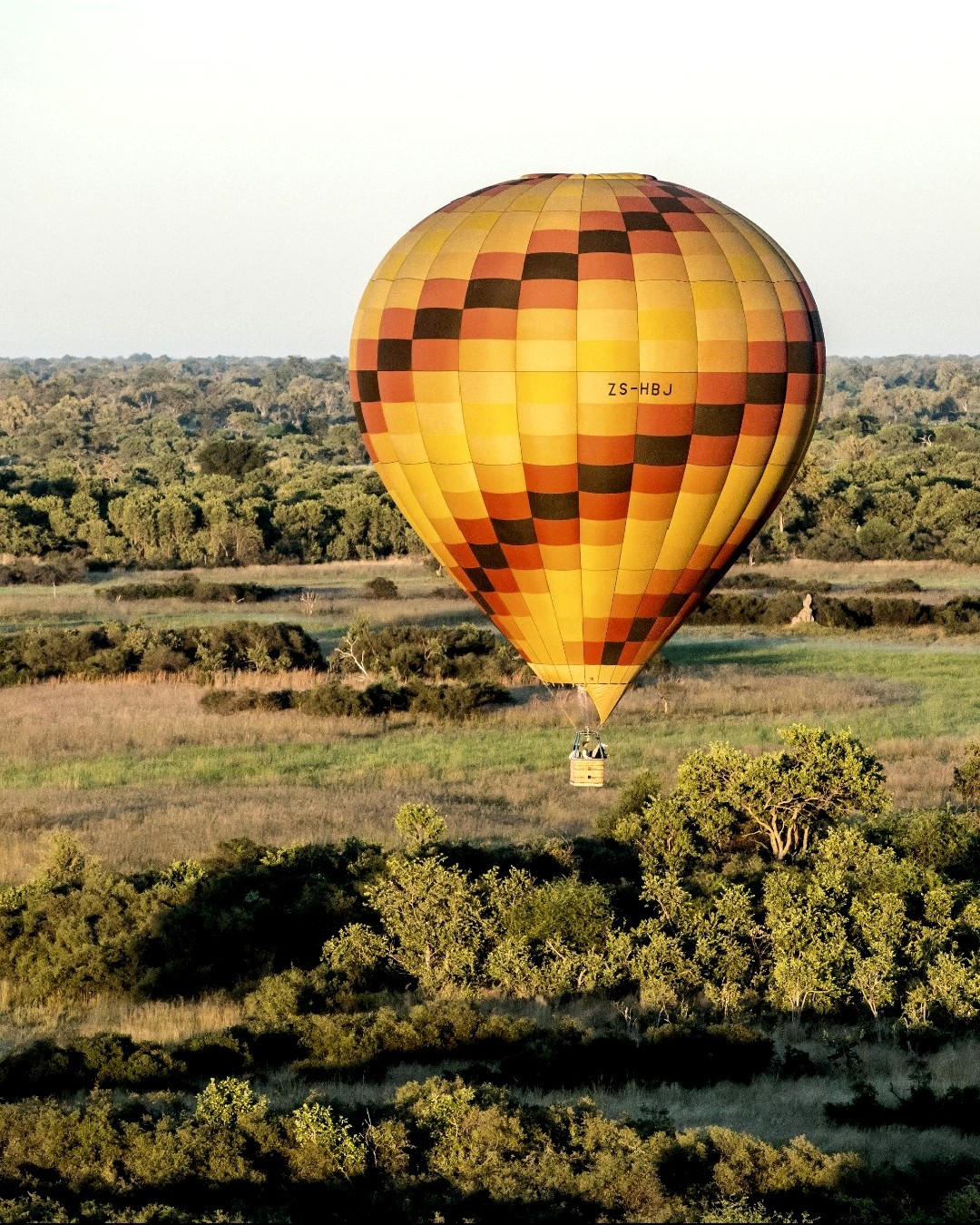


Situated in central southern Africa, Botswana lies at about 950 metres above sea level and more than 600 kilometres from the nearest coast. The country’s most striking features are its relative flatness and aridity. This makes the Okavango Delta even more remarkable: a wetland within a desert that receives its waters from rain falling in Angola, 1 000 kilometres away.
Having achieved independence in 1966, Botswana has gone on to become a true African success story. The country’s leaders have adopted an innovative approach to tourism, believing that low-volume, experiential ecotourism was the best way to create a sustainable conservation economy and uplift communities while still preserving the environment.
Experience wildlife from big to small on your next Botswana safari trip. Book your stay at one of our camps across Botswana for the lasting impact that is Africa.
Things to look forward to
While large mammals – and there are plenty of these – can steal the show on a Botswana safari, there are many other creatures to be seen, from brightly-coloured birds to secretive antelope, and from frogs to fish. It’s often the pristine beauty of the landscapes and the sense of being in a remote wilderness that have the most lasting impact on visitors to Botswana.
-
Get Directions Maun, Botswana
-
 +267 686 0086
 Today24 hours open
- Saturday24 hours open
- Sunday24 hours open
- Monday24 hours open
- Tuesday24 hours open
- Wednesday24 hours open
- Thursday24 hours open
- Friday24 hours open
